

When you’re exploring assisted living options for a loved one, safety is often the first concern—and for good reason. You want to feel confident that the environment supports their independence while also providing the right level of care. The best communities don’t rely on a single feature to create that sense of security. Instead, safety is built into every part of daily life, from how the space is designed to how the team interacts with residents.
In assisted living, safety goes beyond handrails and emergency buttons. It includes personalized care, consistent caregiver presence, thoughtful routines, and a strong sense of connection. Each of these elements works together to reduce risk while helping residents stay comfortable and engaged.
Key Takeaways
- Safety in assisted living is built through design, caregiver support, and daily routines working together
- 24/7 caregiver presence ensures quick response and ongoing awareness of resident needs
- Thoughtful building features like lighting, flooring, and layout help prevent falls and support mobility
- Personalized care plans and medication management reduce risk and adapt to changing needs
- Social interaction and daily check-ins help caregivers notice subtle changes early
How Assisted Living Keeps Residents Safe
Safety in assisted living isn’t tied to a single feature—it’s the result of multiple systems working together. From the layout of the building to the way care is delivered, each element plays a role in supporting residents throughout the day.
24/7 Support and Emergency Response
Around-the-clock caregiver presence offers reassurance that help is always nearby. Whether it’s assistance with a daily task or an unexpected concern, having trained team members available at all hours means residents aren’t left waiting or unsure of what to do next. Response time matters, but so does familiarity.
Thoughtful Building Design and Fall Prevention
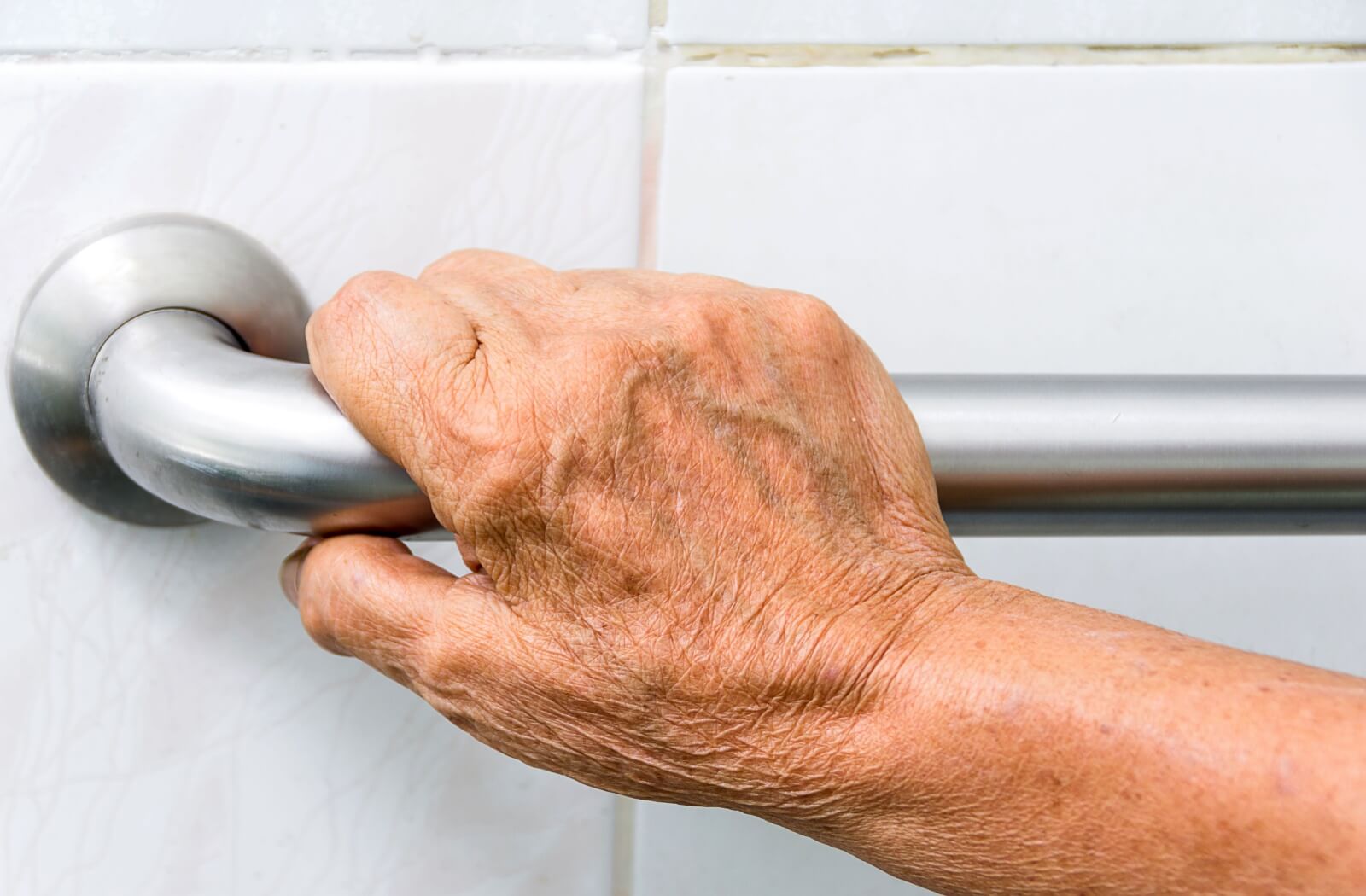
The physical environment sets the tone for how safely someone can move through their day. Wide, open pathways allow for easy navigation, whether a resident uses a mobility aid or not, while features like grab bars and non-slip flooring provide steady support in key areas. Lighting is just as important, especially in hallways and shared spaces where visibility needs to remain consistent throughout the day.
Personalized Care Plans and Ongoing Assessments
No two residents have the same needs, and a thoughtful care plan reflects that from the start. Instead of relying on a standard checklist, communities begin with a detailed understanding of routines, preferences, and health considerations. That information shapes a plan that feels tailored, not generic.
Medication Management and Health Coordination
Managing medications can quickly become complicated without the right support in place. Assisted living communities simplify this process by overseeing schedules, dosages, and administration, reducing the risk of missed or incorrect medications. This consistency allows residents to focus on their day without worrying about details that can easily become overwhelming.
Secured Access and Community Monitoring
A safe community maintains a clear sense of who is coming and going without feeling restrictive. Secured entry points help manage access, ensuring that visitors are welcomed while maintaining a controlled environment. This balance allows residents to feel both protected and at ease.
Daily Check-Ins and Social Engagement
Some of the most important safety measures happen in everyday moments. Regular interactions—whether during meals, activities, or casual conversations—give caregivers natural opportunities to check in with residents. These touchpoints help build familiarity and make it easier to notice subtle changes.

What to Look for in an Assisted Living Community
Understanding how safety works is one step—seeing it in action is another. When you visit a community, the details you notice can tell you just as much as the information you’re given. Paying attention to how the environment feels and how people interact will help you get a clearer sense of whether it’s the right fit.
Caregiver Presence, Attentiveness, and Culture
Start by observing how caregivers engage with residents throughout the day. Do they greet people by name? Do interactions feel natural, or do they seem rushed? These small moments often reveal more than formal explanations. A strong community culture is built on consistency and familiarity.
Cleanliness, Layout, and Ease of Navigation
The physical space should feel clean, organized, and easy to move through without hesitation. Hallways should be well-lit, common areas should feel accessible, and transitions between spaces should be smooth. These details directly affect how confidently residents can navigate their surroundings.
Wellness Programs and Activities
A full calendar doesn’t always mean meaningful engagement, so take a closer look at how activities are carried out. Are residents actively participating, or are they simply present? Programs should feel purposeful and consistent, not occasional or forced. Wellness offerings support more than just social time—they help maintain routine and visibility.
Communication and Transparency with Families
Clear communication helps families stay informed and confident in their decisions. Ask how updates are shared and how the team handles changes in care or unexpected situations. The answers should feel straightforward, not vague or overly rehearsed. Transparency also shows up in how openly questions are handled.
Come Discover the Benefits of Assisted Living
Choosing an assisted living community comes with a lot of considerations, but safety often sits at the center of the decision. When you look beyond surface features, you begin to see how the environment, team, and daily routines work together to support each resident.
At Juniper Village at Chatham, we focus on creating that kind of environment every day. Our approach blends thoughtful design, attentive support, and meaningful connection so residents can live comfortably and confidently. Book a tour with us today to learn more about how we support safety, connection, and everyday living.