


Key Takeaways
- Small changes in mood, hygiene, and daily habits can signal a growing need for support.
- Struggles with home tasks, personal care, and medication management are worth paying attention to.
- Falls, memory lapses, and social withdrawal are signs that deserve a closer look.
- Assisted living and senior living communities offer personalized care that supports both independence and joy.
What the Quiet Signs Are Really Telling You
It rarely happens all at once. One week, you notice the fridge is nearly empty. The next, your mom seems a little quieter than usual. On their own, these moments feel easy to brush off. Together, they can paint a clearer picture.
Knowing the signs that a loved one needs more daily support can help you act with love before small challenges become bigger ones. At Juniper Village at Chatham, personalized support through assisted living and personal care is designed to meet your loved one exactly where they are. This guide walks you through what to watch for and what thoughtful support can actually look like.
Little Changes That Deserve a Closer Look
Sometimes the earliest signs are the softest ones. A usually tidy person lets dirty dishes accumulate. Someone who always gets dressed for the day starts skipping it. A hobby they once loved now sits untouched in the corner.
Shifts in energy, mood, or motivation can be easy to explain away as a “rough week.” But when those changes linger or start layering on top of each other, they’re worth a gentle conversation. You know your loved one. Trust what feels different.
Daily Tasks That Are Getting Harder
Around the Home
A home that once hummed along smoothly can start showing cracks. Laundry piles up, food spoils before it’s eaten, and clutter creeps into spaces that were always kept clear. These aren’t signs of laziness. They’re signs that keeping up has gotten harder.
Missed bill payments or money that seems to go untracked are also worth noting. Managing finances takes focus and organization, and when that starts to slip, it can create real stress for your loved one without them even saying a word about it.
Personal Care and Nutrition
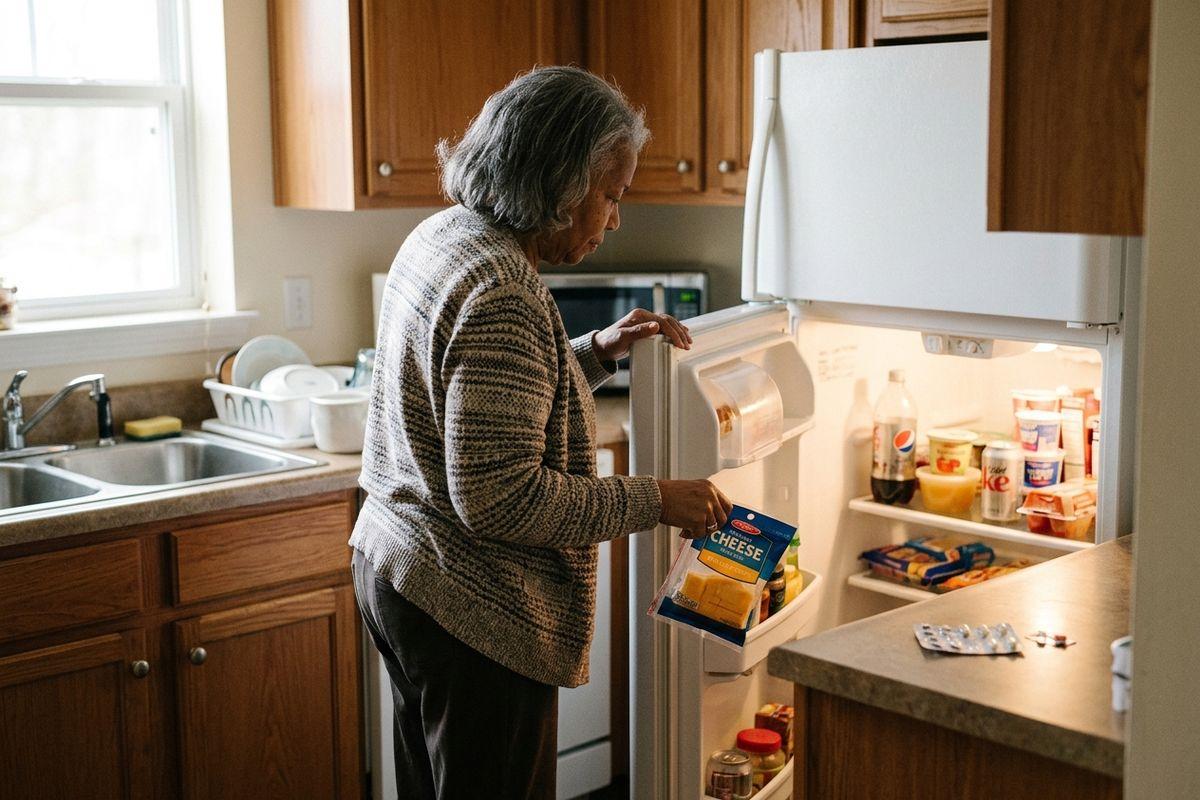
Bathing, grooming, and getting dressed less often than before can feel like a private struggle your loved one may not bring up on their own. Skipping meals or losing interest in food is another quiet signal. If the kitchen isn’t being used much, or meals are being replaced with snacks, nutrition can take a hit.
Medications are another area to watch. Missed doses, doubled-up pills, or general confusion around the medication routine can happen gradually. It’s one of the more common and meaningful signs that a little extra support could go a long way. Learning more about activities of daily living can help you understand which tasks matter most to monitor.
Safety Signs You Should Not Overlook
Falls and Mobility
An unsteady walk, a shuffling gait, or a hand always reaching for the wall or nearby furniture can signal balance challenges. Unexplained bruises or small cuts that your loved one can’t quite account for may point to near-falls that happened without anyone around to notice.
Mobility changes don’t always announce themselves loudly. Sometimes, it’s just the way someone moves through a room that feels a little different than it used to.
Memory and Confusion
Getting turned around in a familiar neighborhood or forgetting a routine they’ve had for years can be disorienting, for both of you. Repeating the same question within minutes, or missing appointments they would never have forgotten before, are signs that memory may need some support.
These moments don’t define your loved one. But they do deserve attention, compassion, and a plan that helps them feel safe and steady every day. Understanding the difference between normal forgetfulness and deeper memory changes can help you know when it’s time to take the next step.
When Social Life and Emotions Start to Shift
Pulling away from friends, skipping activities they once looked forward to, or losing interest in hobbies that used to light them up, these changes often go unspoken. Increased anxiety, unexplained sadness, or a short fuse that wasn’t there before can also signal that something deeper is going on.
Loneliness at home is real, and it grows. When the days start blending together without much connection or purpose, emotional well-being takes a toll. Social isolation carries real health risks, and your loved one deserves more than just getting through the day.
What More Support Can Actually Look Like
Personalized Care in Senior Living
Assisted living isn’t about giving things up. It’s about gaining a life that fits. At a community like Juniper Village at Chatham, care is built around the individual, their routines, their preferences, and their personality, not a one-size-fits-all checklist.
Personal care support is offered in ways that protect dignity and honor independence. Explore what assisted living truly involves to get a fuller picture of how the right community can support your loved one’s day-to-day life.
Connection, Community, and a Full Life
Daily programs, creative activities, and genuine friendships replace the quiet of an empty home with something worth waking up for. There’s a real difference between simply managing at home and truly thriving in a place designed for connection and joy. Take a look at enrichment and engagement programs that keep life interesting and full.
If any of these signs feel familiar, it may be time to explore what senior living can offer your family. A conversation today can open a door to a fuller, more supported tomorrow.